
Planning lunch becomes difficult when every choice begins from zero. AI meal planning for lunch prep offers a way to turn preferences into a more useful starting point. You can ask for combinations that fit your schedule, budget, and cooking confidence. That does not replace your judgment or your taste. It simply reduces the blank-page feeling that slows many routines down. Use technology to generate options, then choose what fits your actual week. Keep the process practical and personal. A helpful prompt can turn overlooked ingredients into tomorrow’s lunch. A simple plan also makes grocery shopping less scattered. The best result is not more information, but fewer decisions that feel unnecessary.
Useful results begin with useful details. Tell the tool how many lunches you need and how much time you have. Mention ingredients you already own before requesting new recipes. Add dietary preferences, storage needs, and whether you have a microwave available. Ask for repeatable components instead of seven unrelated meals. This creates a plan that works like a system rather than a collection. Clear input gives you more realistic output. Use smart grocery list planning to group ingredients by section and reduce forgotten items. Review every suggestion with common sense before you shop. The goal is a manageable menu that respects your time. Technology becomes valuable when it helps you act faster.
Most kitchens contain ingredients that never quite become a meal. A half bag of spinach, a can of beans, or leftover grains can sit too long. Use a prompt that names those exact items. Ask for three lunch formats that reuse them in different ways. You may discover a wrap, bowl, soup, or salad that feels more appealing. This helps reduce waste without forcing you into a rigid menu. It also makes the weekly shop more efficient. Keep your favorite combinations in a running note. Over time, those notes become a personalized menu library. The machine can suggest possibilities, but your saved favorites create the real shortcut. Small discoveries add up when you repeat them often.
A meal plan should change when your week changes. A day full of appointments needs a portable lunch. A home-office afternoon may leave room for a warm bowl. A late meeting might call for a substantial meal prepared early. Add these schedule details when you build the plan. You can also ask for two backup options using shelf-stable ingredients. This keeps one unexpected delay from derailing the entire week. Planning around your calendar is more realistic than hoping every day behaves the same. It also protects your energy during intense stretches. Food preparation works best when it recognizes the life around it.
More options do not always create a better lunch habit. Start with three meals you can repeat comfortably. Ask for small flavor variations instead of entirely new recipes. Change the dressing, spice blend, or vegetable mix when you need novelty. This keeps shopping predictable and preparation familiar. The result is less time spent comparing endless possibilities. Try using ai menu prompts to generate variations from the same core ingredients. Save only the suggestions you would genuinely make again. A short rotation is easier to learn, improve, and enjoy. Familiarity is an advantage when your schedule becomes crowded. Your best menu should support real behavior, not ideal behavior.
Technology can offer ideas, but it does not know how your body feels after lunch. Notice which portions keep you satisfied through the afternoon. Pay attention to flavors you genuinely want to eat again. Adjust quantities when a meal feels too light or too complicated. Use your own feedback to improve the next prompt. This makes the process more responsive over time. A plan only works when it reflects your habits and preferences. Keep the simplest meals near the top of your rotation. Let convenience support quality instead of competing with it. Your kitchen becomes easier to manage when you trust both your tools and your instincts.
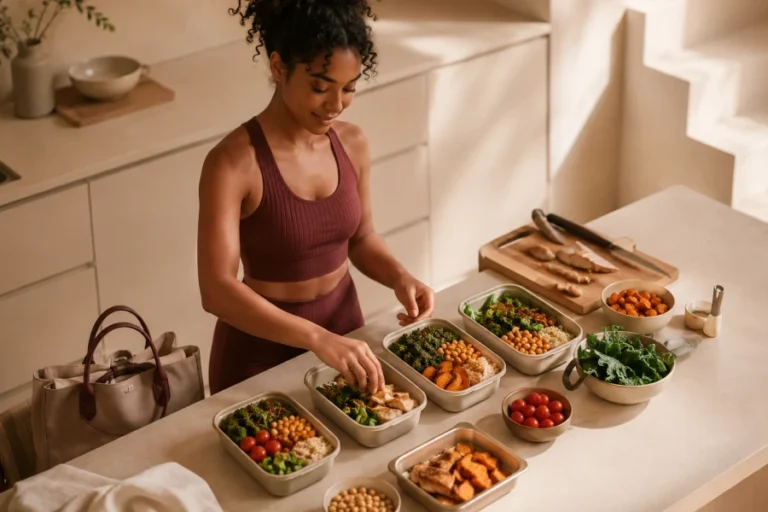
The strongest use of technology happens in a small weekly window. Set aside ten minutes to review your calendar and current groceries. Generate a few options, then select the ones that feel realistic. Build the list, prep the components, and save what worked. A lunch prep habit system turns the process into something dependable rather than impressive. You do not need perfect outputs every week. You need a routine that gets you from question to meal with less friction. Keep improving the prompts that match your lifestyle. The kitchen will feel calmer because your choices begin with a plan. That is where smarter preparation makes its difference.



Leave a comment