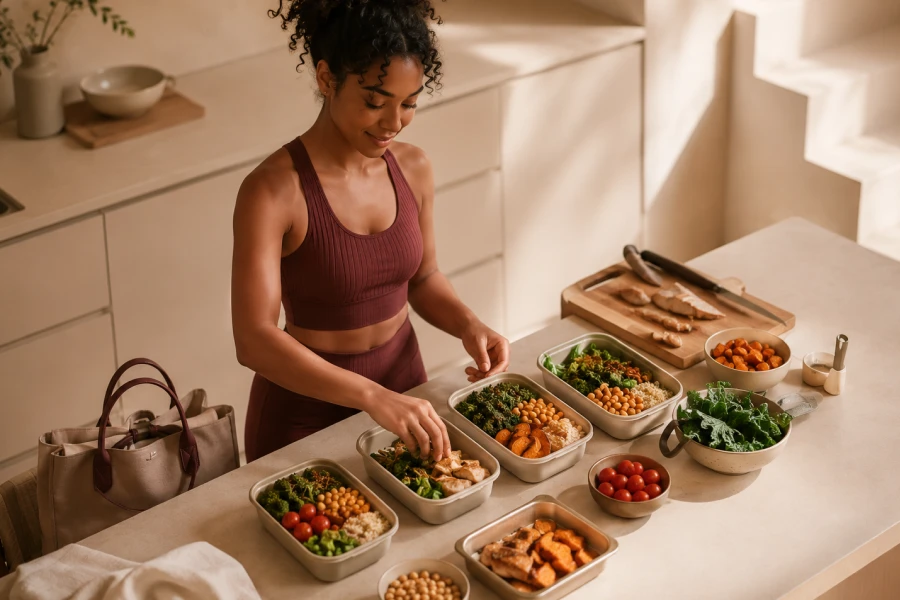
Workdays rarely fail because people lack good intentions. Meetings shift, errands appear, and lunch becomes a last-minute negotiation. Healthy lunch prep for busy professionals creates a calmer default before hunger makes decisions. The objective is not gourmet variety every afternoon. Instead, build satisfying combinations you actually enjoy repeating. That simple shift protects attention during demanding blocks of work. It also reduces the temptation to skip lunch altogether. Start with the reality of your schedule, not an idealized Sunday. Choose containers, ingredients, and portions that fit your commute. Then let consistency make the week feel lighter.
A reliable lunch system begins with fewer decisions, not more rules. Pick two proteins, two vegetables, and one dependable carbohydrate each week. Rotate sauces or seasonings when you need a different flavor. This structure keeps shopping focused without making meals feel identical. A weekly lunch prep workflow also gives your evening schedule breathing room. You know what needs preparation before the week accelerates. Batch cooking becomes easier when every ingredient has a clear destination. The goal is a practical rhythm, not a refrigerator full of aspirational recipes. Once you see lunch as a workday support system, the habit becomes easier to protect. Better choices usually follow when the easier choice already exists.
Think in components that can move between bowls, wraps, and plates. A roasted vegetable tray can serve several meals without tasting repetitive. Grilled chicken, beans, tofu, or eggs create an easy protein anchor. Whole grains, potatoes, or hearty greens add enough substance for a fuller afternoon. Keep one bright element nearby, such as citrus, herbs, or crunchy vegetables. That small contrast makes familiar food feel more deliberate. For especially crowded days, portable protein bowls travel better than complicated assembled dishes. Use clear containers so you can see what is ready. Pack sauces separately when texture matters. Save your most convenient option for the day you expect to be busiest. Planning for friction is more useful than planning for perfection.
Most lunch routines unravel through tiny inconveniences that seem harmless on Sunday. A missing fork can make a packed lunch suddenly feel less appealing. An underfilled portion can send you searching for snacks by midafternoon. A forgotten container lid can turn preparation into an unnecessary detour. Solve these problems before they become excuses. Keep utensils, napkins, containers, and an insulated bag in one location. Place tomorrow’s meal near the front of the refrigerator. Label nothing if labels create extra work. Instead, arrange food in the order you will need it. Small systems work because they remove the moments that invite a less satisfying choice.
Lunch does not need to look impressive on a countertop to perform well at work. It needs to survive a commute, a crowded refrigerator, and limited time. Choose foods that keep their texture after a few hours. Reserve delicate toppings until you are ready to eat. Use sturdy leaves, roasted vegetables, grain blends, and simple dressings. A little preparation can prevent the midday slump that follows a rushed purchase. The best meals also respect your budget without feeling restrictive. Look for meal prep time savers that reduce cleanup as well as cooking. One-pan roasting and one-pot grains earn their place quickly. A calmer lunch begins long before you sit down.
Wednesday is the perfect time to notice what your routine is telling you. Perhaps one meal felt too light for a long meeting day. Maybe a certain ingredient stayed untouched because its flavor never landed. Use those details as feedback rather than failure. Add a backup shelf-stable item for unpredictable afternoons. Keep fruit, nuts, or a simple soup portion nearby when hunger runs later than expected. Variety can come from one new sauce or a different crunchy topping. You do not need to rebuild the entire menu. A small adjustment protects the habit without creating another project. Treat the middle of the week as a reset point. Your next grocery list will become smarter because of it.
The strongest routines become nearly invisible because they fit into existing patterns. Put your shopping list together while you review the week ahead. Prep ingredients while you listen to a favorite podcast or catch up with family. Pack the first lunch immediately after dinner when your kitchen is already active. Let Friday’s leftovers inform the following week’s choices. Over time, you will notice the difference between food you admire and food you actually use. Give repeat favorites a permanent place in the rotation. Keep your system modest enough to restart after travel or a hectic weekend. The point is dependable nourishment, not culinary performance. When lunch requires less mental energy, the rest of the day has more room to go well.




Leave a comment